

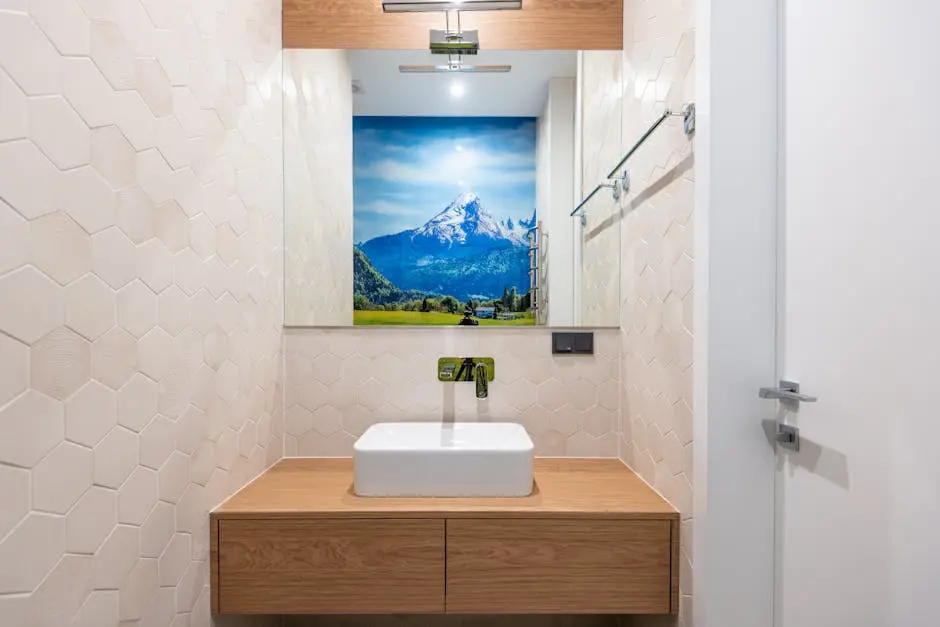
Choosing the right materials for your bathroom vanity can greatly influence the style, functionality, and durability of your space. In this guide, we’ll break down popular materials for bathroom vanities and help you find the perfect fit for your home.
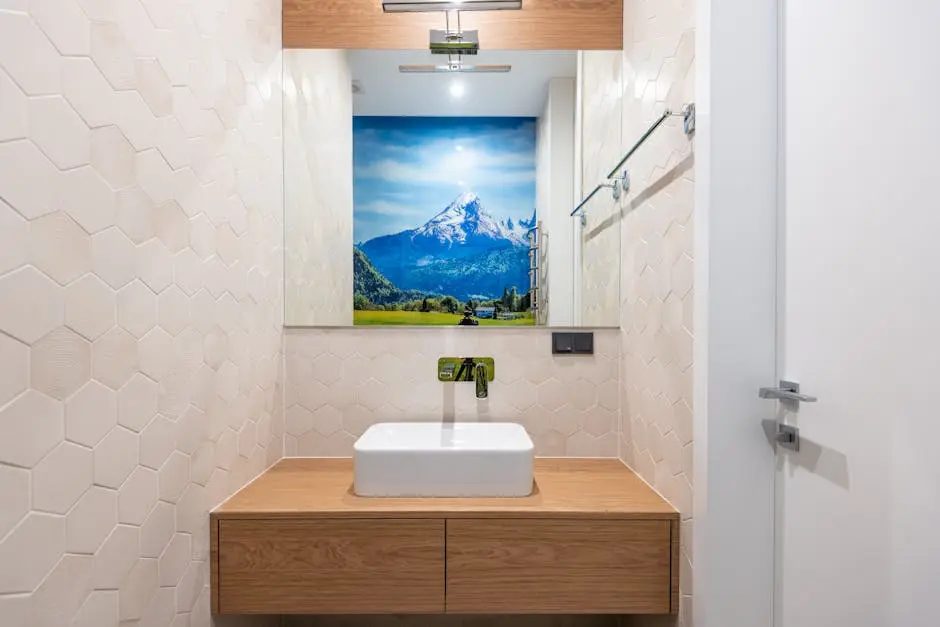
Step 1: Consider Solid Wood for Durability
Solid wood is a popular choice for bathroom vanities due to its strength and timeless appeal. If you prefer a classic look, this material can add warmth and charm to your bathroom.
Moreover, solid wood comes in various species, each with its own distinctive grain and color. Whether you choose oak, cherry, or maple, the natural beauty will truly stand out.
However, it’s important to keep in mind that solid wood requires proper sealing and maintenance to prevent water damage. A little extra care can go a long way!
With the right finish, solid wood can resist moisture effectively, allowing you to enjoy it in a high-humidity space like the bathroom.
Step 2: Explore Engineered Wood for Cost-Effectiveness
Engineered wood, such as plywood and MDF, offers a budget-friendly alternative. These materials can be more resistant to moisture, making them suitable for bathroom settings.
Not only are they cost-effective, but engineered wood can also be styled to look like solid wood. This means you can achieve the aesthetic you want without breaking the bank.
Additionally, the production process of engineered wood allows it to be denser and less prone to warping compared to solid wood. This durability makes it a smart choice for busy bathrooms.
Step 3: Opt for Laminate for Easy Maintenance
Laminate finishes are known for their low maintenance and wide variety of colors and patterns. They can mimic the appearance of wood or stone while standing up to daily wear.
One of the greatest advantages of laminate is its resistance to scratches and stains. This means your bathroom vanity will continue to look fresh and new, even after years of use.
Moreover, if you’re looking for a specific color or pattern, laminates are available in countless designs. This allows you to personalize your space easily.
Step 4: Consider Stone for a Luxurious Touch
Natural stone materials like granite and quartz can elevate the elegance of your bathroom. These materials are incredibly durable but may come with a higher price tag.
Beyond aesthetics, stone surfaces are heat and scratch-resistant, adding a layer of functionality to their beauty. If you’re looking for sophistication, natural stone is hard to beat.
Keep in mind that while stone can withstand wear and tear, it may require periodic sealing to maintain its appearance. This maintenance can prolong the life of your vanity significantly.
Step 5: Look at Metal for a Modern Flair
Metal vanities are gaining popularity for their sleek and modern look. Stainless steel or brass can create a contemporary feel while being resistant to water damage.
In addition to their durability, metal finishes can complement various decor styles, from industrial to minimalist. This versatility makes them an exciting option to consider.
However, be aware that metal can have a different vibe than traditional materials. If you desire an edgy, modern aesthetic, metal is definitely the way to go.
Final Thoughts on Bathroom Vanity Materials
By considering the advantages and disadvantages of each material, you can select a bathroom vanity that not only complements your style but also stands the test of time. Remember to prioritize both aesthetics and practicality in your choice!