

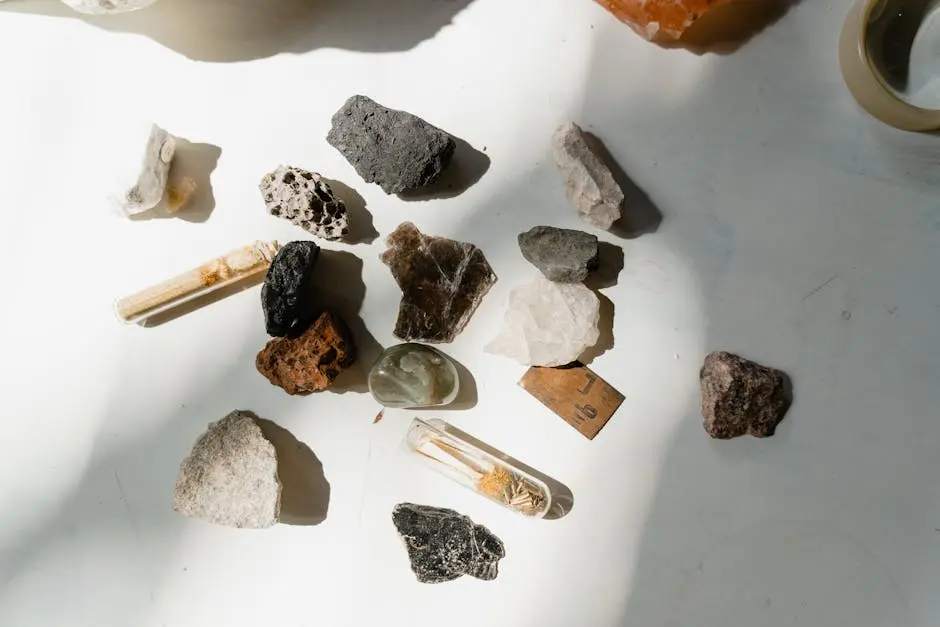
Exploring Key Differences: Quartzite vs. Other Natural Stones
When it comes to choosing natural stones for your home or project, the options can be overwhelming. In this blog, we’ll take a closer look at quartzite and how it compares to other popular natural stones, helping you make an informed decision for your next renovation.
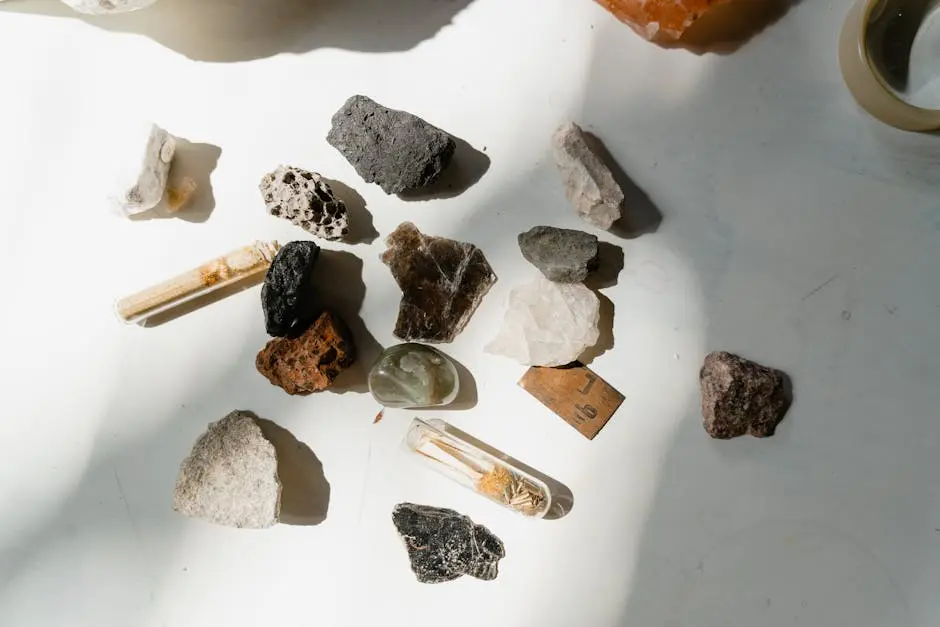
What is Quartzite?
Quartzite is a metamorphic rock that originates from sandstone. In this section, we’ll explore its formation, characteristics, and why it has become a favorite among homeowners and designers alike.
The transformation of sandstone into quartzite occurs due to intense heat and pressure over millions of years. This process not only increases its durability but also gives quartzite its unique crystalline appearance, setting it apart from other stones. Homeowners are drawn to its robust nature and the sense of elegance it brings to any space.
One of the key features of quartzite is its incredible hardness. This makes it an excellent choice for countertops, flooring, and even outdoor surfaces. Additionally, the natural patterns and colors found in quartzite can add a stunning visual element to any home, making it not just functional but also a statement piece.
In conclusion, quartzite’s unique properties combined with its aesthetic appeal make it an enticing option for various projects. Understanding what quartzite is and its incredible features is just the beginning; let’s dive deeper into how it holds up against other popular stones.
Comparing Durability: Quartzite vs. Granite
Granite is often hailed for its toughness, but how does quartzite measure up? We’ll dive into the durability aspects of both stones and discuss their resistance to scratching and heat. While granite is undoubtedly highly durable and popular for countertops, quartzite has impressive strength and can withstand challenges in high-traffic areas.
Both materials boast resistance to scratches, but quartzite shines in terms of heat resistance. This makes it a suitable option for kitchen surfaces where hot pots and pans might find their resting place. Additionally, its non-porous nature offers advantages in terms of hygiene, reducing the risk of bacteria and stains.
So when considering durability, quartzite doesn’t just stand its ground—it can go toe-to-toe with granite. What sets quartzite apart is not only its hardness but also its beauty, making it a dual threat in both functionality and aesthetics that can meet the demands of everyday life.
Aesthetic Appeal: Colors and Patterns
Both quartzite and other natural stones like marble showcase stunning aesthetics. Let’s discuss the unique color palettes and patterns of quartzite compared to its counterparts, highlighting what makes it visually captivating. Quartzite features a rich spectrum of colors, like soft whites, gentle grays, and even vibrant earthy tones, often with intricate veining that resembles artwork formed by nature.
Each slab of quartzite is like a unique piece of art, showcasing the earth’s history. In contrast, while marble offers its own captivating appeal, it tends to be softer and more prone to scratching. Therefore, choosing quartzite not only enhances the visual component of your space but brings robustness that many natural stones lack.
Whether you prefer the subtle elegance of a light-colored quartzite or the dramatic flair of a bold, dark piece, there’s something for everyone. This versatility allows homeowners and designers to express their style while maintaining the integrity and durability needed in everyday use.
Maintenance and Care: Easing Your Mind
Understanding the maintenance required for quartzite versus other stones is crucial in decision-making. We’ll cover sealing, cleaning, and overall upkeep to help you gauge which stone fits your lifestyle. Quartzite stands out as a low-maintenance option that doesn’t demand frequent sealing, unlike granite and marble, which often require more rigorous care.
Cleaning quartzite is a breeze—warm water and mild soap typically do the trick. This simplicity makes it a homeowner’s favorite, especially in busy households. Similarly, its resistance to stains means you won’t constantly worry about spills, making it an ideal choice for kitchens and bathrooms alike.
In contrast, marble requires careful handling and specialized cleaners to maintain its beautiful surface. Homeowners looking for durability without the stress of complicated care routines will find quartzite a more appealing option. Understanding what it takes to care for these materials can alleviate concerns and ensure your investment remains stunning for years to come.
Cost Considerations: Is Quartzite Worth It?
Budgeting for stone surfaces involves understanding the pricing dynamics. In this section, we will break down the costs of quartzite in contrast with granite and marble, giving you a clearer picture of what you can expect to spend. Generally speaking, quartzite is positioned above granite in terms of price, but when you consider its durability and low maintenance, it often pays off in the long run.
Granite may win when it comes to initial costs, but quartzite is an investment that offers value through its longevity and quality. This is something potential buyers should keep in mind when making their selections. The beauty of investing in quartzite lies in its combination of affordability when looking at long-term maintenance and superior performance.
The costs associated with quartzite can vary based on rarity and where you source it. The unique patterns and colors come from extensive processes, reflecting in its pricing. With this knowledge, you can confidently navigate your budget, understanding that quartzite could be a smart choice that adds both beauty and functionality to your home.
Where to Use Quartzite: Inside and Out
Quartzite isn’t just beautiful; it’s versatile too! Explore the various applications of quartzite in both interior and exterior settings, enhancing your spaces with its elegance. Inside, quartzite makes for stunning countertops, backsplashes, and flooring. Its resistance to scratches and heat makes it not just stylish, but practical for kitchen and bathroom spaces where wear and tear are inevitable.
Outside, quartzite shines in outdoor kitchens, patios, and even landscaping features like stone walls or garden paths. The durability of quartzite ensures that it withstands the elements while maintaining its visual appeal. Its natural beauty can effortlessly blend with outdoor settings, making your external spaces inviting and sophisticated.
Whether you’re considering quartzite for a small renovation or a comprehensive project, envision how it can play a role in both aesthetics and functionality. Understanding where to apply this remarkable stone will maximize its potential and enhance the beauty of your surroundings.
Final Thoughts on Quartzite and Other Natural Stones
Choosing the right stone for your project is key to creating a beautiful and lasting space. By understanding the unique characteristics of quartzite compared to other natural stones, you can select the material that best suits your needs and style. Whether it’s durability, aesthetics, or maintenance, knowing these differences will guide your journey.